

How to Maintain Your Forklift Certification: Renewal Tips and Requirements

At a glance
- Forklift certification must be renewed every 3 years through refresher training and evaluation.
- Retraining may be required sooner after accidents, unsafe operation, equipment changes, or workplace condition changes.
- Certification is employer-specific; new employers must evaluate you on their site and equipment.
- OSHA does not issue forklift certifications—they are issued by employers or qualified trainers.
- Hands-on evaluation is mandatory; online training alone is not sufficient.
- Letting certification lapse can lead to safety risks, OSHA citations, and lost job eligibility.
Introduction
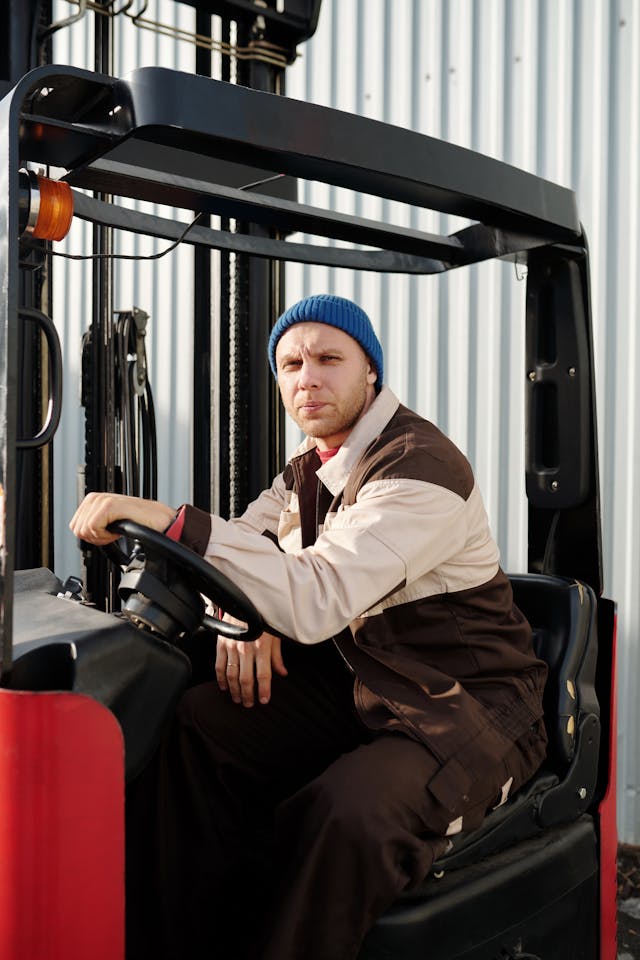
Forklift certification is your official authorization to operate powered industrial trucks in the workplace. It’s not just a piece of paper—it’s proof that you’ve completed the training required by the Occupational Safety and Health Administration (OSHA) to safely handle one of the most common pieces of heavy equipment in warehouses, construction sites, and distribution centers across the country.
Under OSHA regulation 29 CFR 1910.178, employers must ensure that forklift operators receive proper training and evaluation before operating equipment. This training covers vehicle inspection, load handling, stability principles, and workplace-specific hazards. Once you complete both classroom instruction and hands-on evaluation, your employer issues certification that confirms you’re qualified to operate forklifts in their facility.
But getting certified is only the first step. Maintaining that certification through regular renewal and staying current with safety standards keeps you employable, compliant, and safe on the job.
Why Forklift Certification Maintenance Matters
Maintaining your forklift certification serves multiple purposes that directly affect your career and workplace safety. First, it keeps you compliant with federal regulations. Refresher training and evaluation are required at least every 3 years. Your forklift certification must be current, and operating without a valid certification can result in citations for your employer and potential liability if accidents occur.
Second, certification maintenance ensures your skills stay sharp. Forklift operation involves real risks—tip-overs, struck-by incidents, and load failures cause thousands of injuries annually. Regular refresher training reinforces safe practices and updates you on new equipment or procedures.
From a career standpoint, current certification makes you more valuable to employers. Many companies verify certification status during hiring, and letting your certification lapse can cost you job opportunities. It’s also important to note that the certification doesn't fully transfer between employers; new ones must evaluate for their site/equipment.
In competitive labor markets, demonstrating that you maintain your credentials without prompting shows professionalism and reliability.
How Long Does Forklift Certification Last?
OSHA requires forklift certification renewal every three years at a minimum. This is a hard requirement: within three years of your initial certification date, you must complete refresher training and an evaluation to remain compliant.
However, the three-year cycle isn’t the only timeline that matters. OSHA also mandates additional evaluation and retraining whenever certain conditions occur, regardless of when you last renewed. These triggering events include involvement in an accident or near-miss, observed unsafe operation, assignment to a different type of forklift, or changes in workplace conditions that affect safe operation.
Some employers implement renewal cycles shorter than three years as part of their internal safety programs. While OSHA sets the minimum standard, companies can require annual or biannual refresher training if they choose. Always check your employer’s specific policy.
Forklift Certification Renewal Requirements
Forklift certification renewal isn’t as extensive as initial certification, but it does require you to demonstrate continued competency. The renewal process typically involves refresher training that reviews key safety concepts, updates on regulatory changes, and workplace-specific procedures that may have evolved since your last certification.
The training portion usually takes less time than initial certification—often just a few hours rather than the full day or multi-day commitment required for first-time training. However, it must still cover the fundamental topics outlined in OSHA standards: operating instructions, truck-related hazards, workplace-specific conditions, and load handling.
Following the training component, you’ll undergo a practical evaluation in which a qualified trainer observes you operating the equipment. This hands-on assessment verifies that you can still perform essential tasks safely, including pre-operation inspection, controlled driving, load pickup and placement, and proper shutdown procedures.
Documentation is the final piece. Your employer must maintain written records showing the date of training, the trainee’s name, and the trainer’s signature. This documentation serves as proof of compliance during OSHA inspections and provides verification if you change employers.
OSHA Forklift Certification Renewal Requirements
OSHA forklift certification renewal requirements mirror the structure of initial certification but focus on refreshing existing knowledge rather than building it from scratch. The training must address any knowledge or performance gaps identified since your last certification, as well as updates to equipment or workplace conditions.
One key aspect of OSHA requirements for forklift certification is that the trainer must be qualified. OSHA doesn’t issue forklift certifications directly—employers or training providers issue them. However, the trainer conducting your renewal must have the knowledge, training, and experience to train operators and evaluate their competence.
The practical evaluation component is non-negotiable. OSHA forklift certification requirements mandate that operators demonstrate their ability to operate equipment safely in the actual workplace environment where they’ll be working, not just in a controlled training area. This means you’ll need to show proficiency with the specific forklift types you’ll be operating and in the conditions you’ll face daily.
When Renewal Is Mandatory vs Recommended
Understanding when renewal shifts from recommended to mandatory helps you avoid compliance gaps. Mandatory renewal occurs at the three-year mark from your last certification date. Missing this deadline means you’re operating without a valid certification, which puts your employer at regulatory risk and you at professional risk.
Renewal also becomes mandatory when you’re involved in any accident or near-miss while operating a forklift, when a supervisor observes you operating unsafely, when you’re assigned to operate a different type of forklift than what you’re currently certified for, or when workplace conditions change in ways that affect safe operation.
Recommended renewal happens when you’re approaching the three-year deadline and want to renew early, when you’ve taken an extended break from forklift operation and want to refresh your skills before returning, when new equipment or procedures are introduced, even if they don’t technically trigger mandatory retraining, or when you’re seeking to expand your certification to additional forklift types.
How to Renew Forklift Certification Step by Step
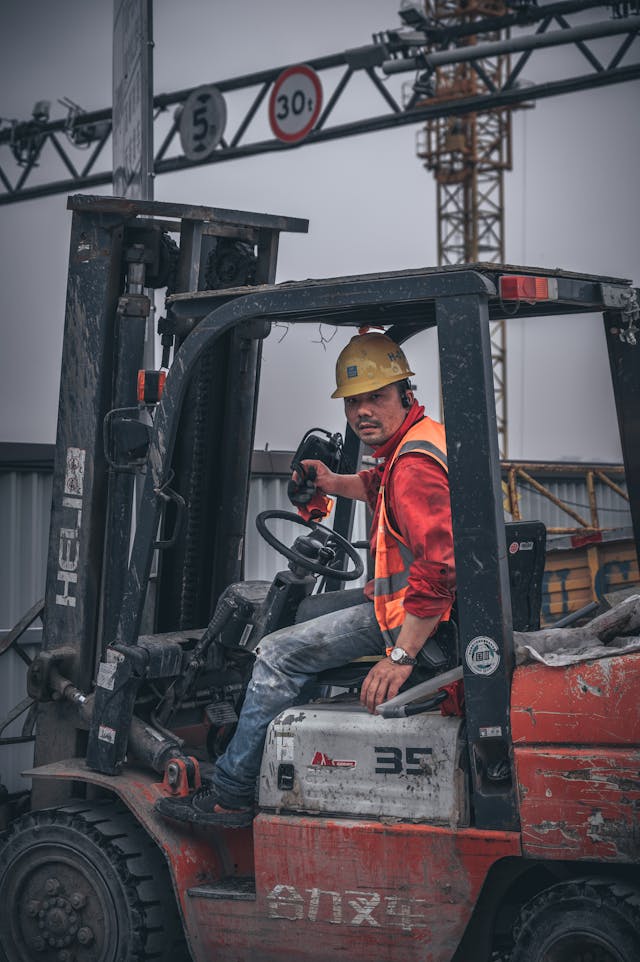
Step 1 – Confirm Your Certification Status
Start by locating your current certification documentation and checking the issue date. Calculate the three-year deadline from that date. Review your employment records to identify any incidents or observations that might have triggered mandatory retraining before the standard renewal period.
Contact your current or most recent employer’s safety department to confirm they have your certification on file and verify whether they use a certification tracking system. If you’re between jobs, gather documentation from your previous employer before the records become harder to access.
Step 2 – Complete Refresher Training
Schedule refresher training through your current employer’s training program, an accredited third-party training provider, or, in some cases, through online platforms that offer OSHA-compliant forklift training. Make sure the training provider covers the specific forklift types you’ll be operating.
During training, focus on areas where procedures may have changed since your last certification. Pay attention to updates in OSHA regulations, new equipment features, and any workplace-specific hazards that have emerged.
Step 3 – Pass Practical Evaluation
After completing the training portion, you’ll need to demonstrate your skills to a qualified evaluator. This evaluation must occur at your workplace using the actual equipment you’ll operate.
The evaluator will assess your ability to conduct pre-operation inspections, operate controls smoothly and safely, handle loads properly considering weight distribution and stability, navigate the workspace while maintaining awareness of surroundings, and follow all workplace-specific safety protocols.
Take the evaluation seriously, even if you’ve been operating forklifts for years. The evaluator is looking for specific competencies, and rushing through steps or cutting corners will raise red flags.
Step 4 – Update and Store Proof of Certification
Once you’ve completed training and passed the evaluation, ensure your employer issues updated certification documentation. This should include your name, the date of training, the trainer’s signature, and ideally, the types of forklifts you’re certified to operate.
Keep personal copies of your certification separate from your employer’s records. Store digital copies in cloud storage or email them to yourself, and keep physical copies in a safe place. This documentation becomes important when changing jobs or if your employer’s records are lost or become inaccessible.
Common Mistakes That Lead to Forklift Certification Lapses
Many operators lose track of their renewal timeline, especially if they’ve changed employers during the three-year period. Each job change doesn’t reset your certification clock—the three-year period runs from your original certification date unless you complete a full retraining and evaluation.
Another frequent mistake is assuming that operating a forklift daily means you’re automatically maintaining certification. Actual operation experience doesn’t substitute for formal renewal. You must complete the documented training and evaluation process.
Some workers believe that certification from one employer transfers automatically to the next. While your training and experience do transfer, certification itself is employer-specific under OSHA regulations. New employers must provide workplace-specific training and evaluate your competence in their facility before you can legally operate their equipment.
Failing to document near-miss incidents or unsafe operations also causes problems. If an undocumented incident later comes to light during an OSHA inspection, both you and your employer could face scrutiny for not completing mandatory retraining when it was required.
Finally, many operators don’t realize that different forklift types require separate certification. If you’re certified on counterbalance forklifts but your new position requires operating reach trucks or order pickers, you need additional training and evaluation specific to that equipment type.
How BuilderFax Helps You Track, Renew, and Prove Forklift Certification
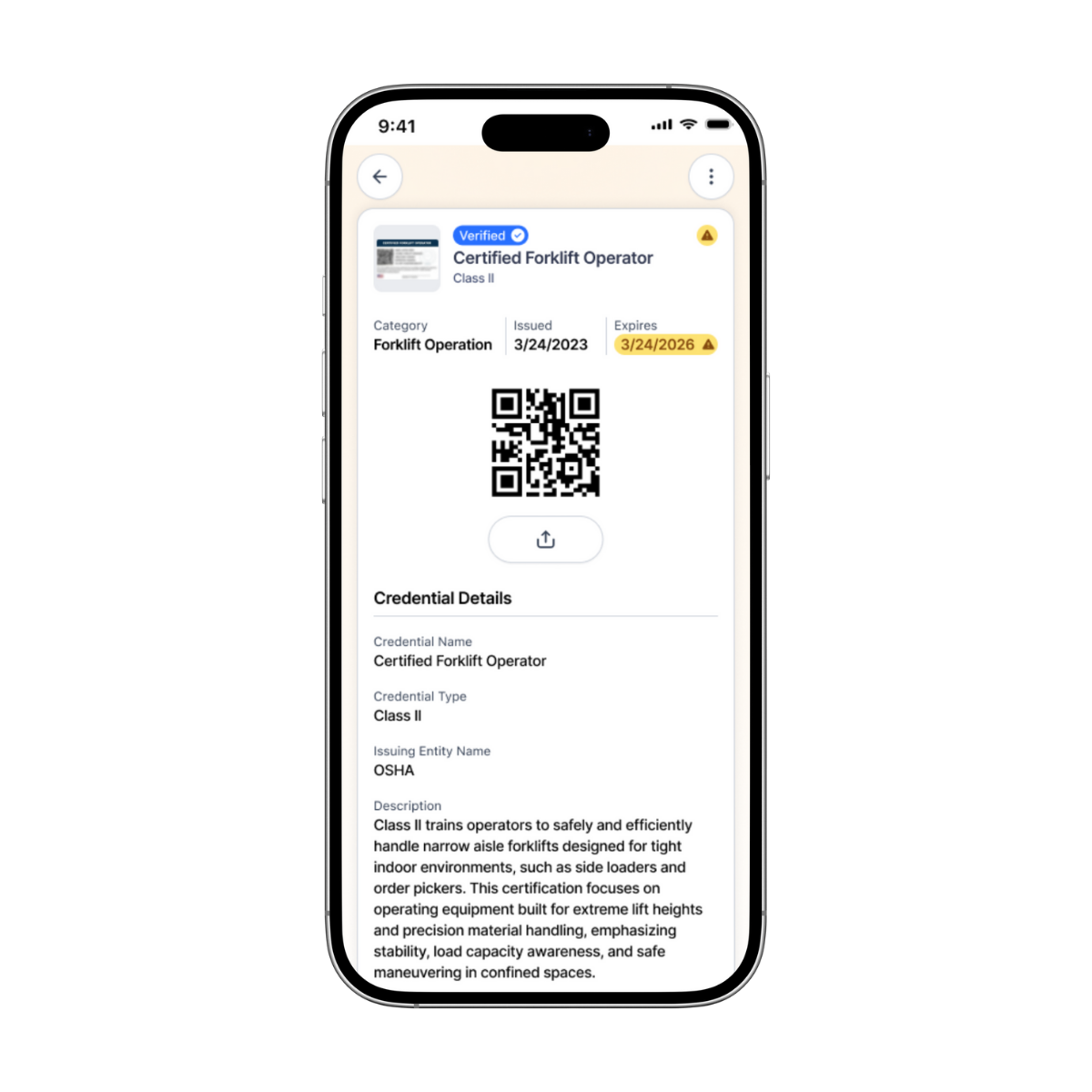
Missed renewals don’t just create paperwork issues. They can slow jobs, trigger compliance problems, and force last-minute retraining when crews are already stretched thin.
BuilderFax provides a centralized platform for managing construction and industrial certifications, including forklift credentials. The system tracks your certification dates and sends reminders before renewal deadlines, eliminating the guesswork about when you need refresher training.
The platform stores digital copies of all your certification documentation in one accessible location. When applying for jobs or verifying credentials for a new employer, you can instantly pull up your current forklift certification along with training completion dates and the types of equipment you’re qualified to operate.
For workers who hold multiple certifications across different trades or equipment types, BuilderFax organizes everything in a single dashboard. This is particularly useful for construction professionals who may hold forklift certification alongside other credentials such as OSHA 10/30, equipment operator licenses, or specialized safety training.
The verification features also benefit employers who need to confirm that operators have current, valid certification before allowing them on equipment. Rather than relying on scattered paperwork or taking credentials at face value, hiring managers can request verification through the BuilderFax system.
Useful Resources and Links for Forklift Certification
Staying informed about forklift certification requirements and safety standards helps you maintain compliance and advance your skills. Here are valuable resources to bookmark:
OSHA Official Resources
- OSHA Standard: Official OSHA Website
- OSHA eTool: Powered Industrial Trucks (Forklift) eTool
- OSHA Overview: Powered Industrial Trucks
Industry Safety Organizations
- Industrial Truck Association: Provides industry standards, safety bulletins, and technical information about forklift operation and maintenance. The ITA represents 90% of forklift manufacturers in the United States and Canada. Know more
- National Safety Council (NSC): Offers forklift safety resources, training materials, and workplace safety programs, including their nationally recognized Lift Truck Operator Training Program. Know more
Training and Certification Providers When selecting a training provider for initial certification or renewal, verify that their programs meet OSHA requirements for forklift certification. Look for providers that offer both classroom instruction and hands-on evaluation components, provide proper documentation upon completion, and have qualified trainers with relevant experience. Both the National Safety Council and many local community colleges offer OSHA-compliant forklift training programs.
Forklift Manufacturer Resources Major forklift manufacturers like Toyota, Crown, Hyster, and Raymond maintain operator resources, safety manuals, and training materials specific to their equipment models. These can supplement your formal certification training with model-specific information. Check the manufacturer's website for your specific forklift model.
State and Local Regulations: Some states and municipalities have additional requirements beyond federal OSHA standards. Check your state's occupational safety agency website to confirm whether additional certifications or registrations apply in your area.
Maintaining Forklift Certification Without Lapses
Forklift certification maintenance isn't bureaucratic busywork—it's a system designed to keep you competent, compliant, and safe throughout your career. Treat renewal as an opportunity to refresh skills, learn updates, and demonstrate your commitment to professional standards in industrial operations.
Ready to simplify your forklift certification management? BuilderFax keeps all your credentials organized, sends automatic renewal reminders, and provides instant verification when employers need proof of certification. Never miss another renewal deadline or scramble to find documentation during a job application. Sign up today at http://BuilderFax.com and take control of your professional credentials with a platform built specifically for construction and industrial workers.
Whether you're maintaining a single forklift certification or managing multiple credentials across different trades and equipment types, having a reliable tracking system removes the stress of deadline management and puts you in control of your career development. BuilderFax's centralized platform means you'll always know when renewals are due, have digital copies of all your certifications accessible from any device, and can quickly verify your credentials to potential employers—giving you a competitive edge in the job market.
Frequently Asked Questions
What is forklift certification?

.svg)
How often do I need forklift certification renewal?
Can forklift certification renewal be done online?
What happens if my certification expires?
Is renewal different for OSHA forklift certification?
Download BuilderFax
Never miss a forklift certification renewal deadline again—download BuilderFax for free today and keep all your credentials organized in one place.
Know more.svg)
.svg)


.png)