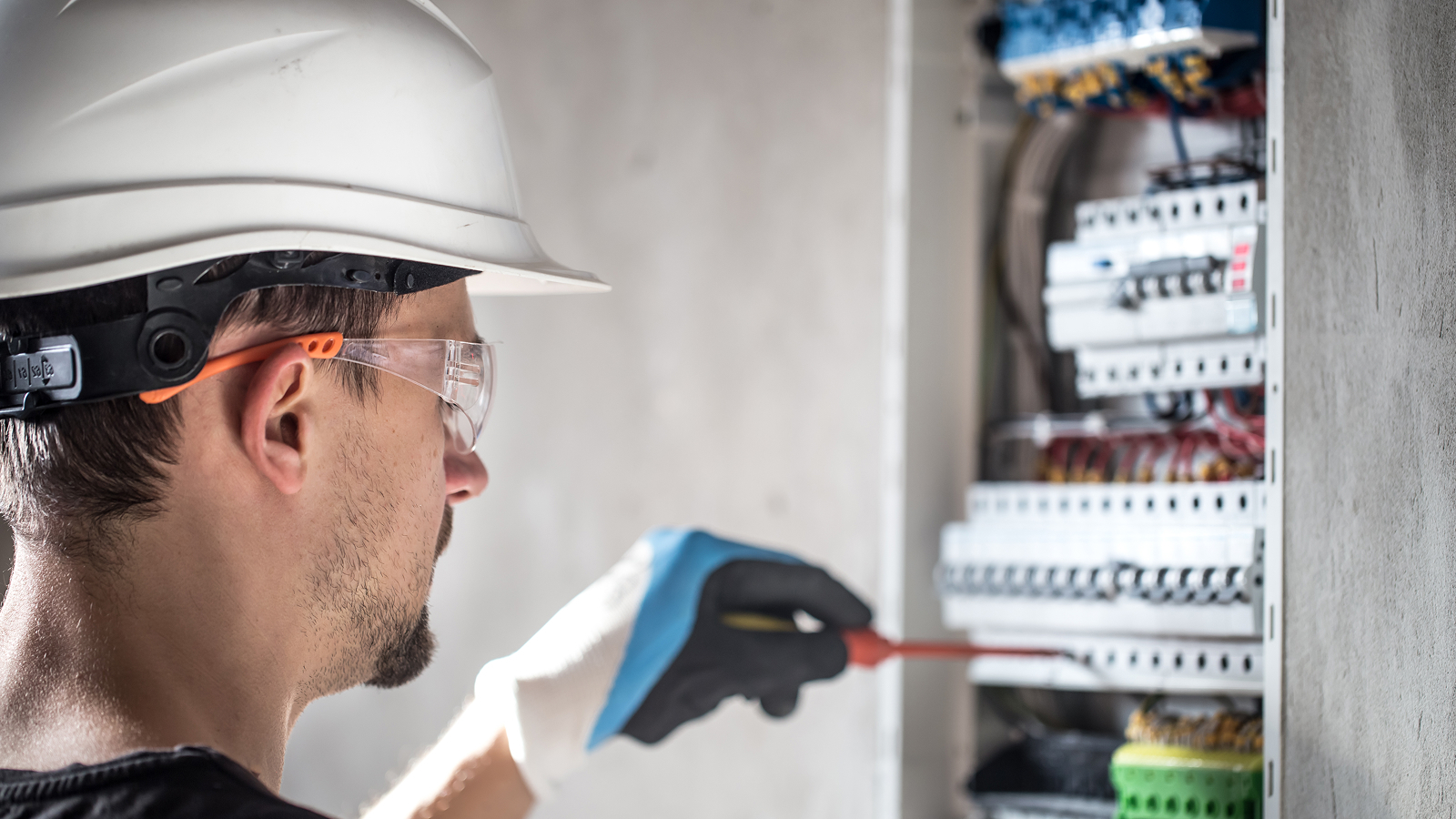

Five High-Demand Construction Certifications Worth Pursuing

The construction industry has over 439,000 unfilled skilled labor positions. Specialized tradespeople earn much more and enjoy greater job security than general laborers. Earning a certification in a high-demand specialty can boost your pay by 30-50% over general construction work.
High-demand specialties share three characteristics: consistent job growth, substantial pay premiums, and barriers to entry that limit competition. The certifications below meet all three criteria and offer clear paths to six-figure annual earnings for skilled practitioners.
1. Electrical Work - Residential & Commercial
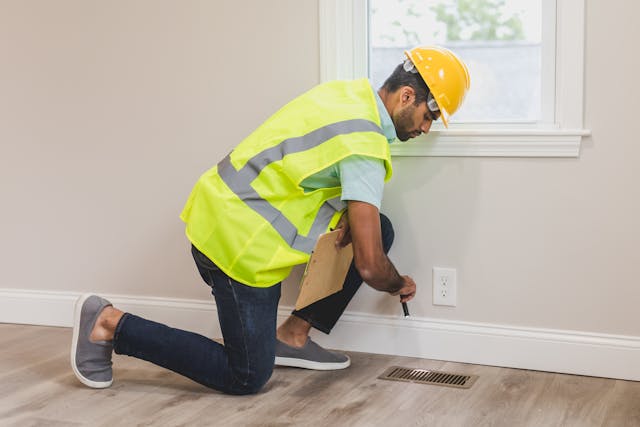
Electrical work remains one of the most stable construction specialties. Data center expansion, manufacturing reshoring, and EV charging infrastructure drive demand. Unlike politically sensitive sectors, electrical work is required regardless of policy changes.
Why Demand Is Strong:
The data center boom for AI and cloud computing requires massive electrical infrastructure. Manufacturing facilities returning to the US need industrial electricians. Every new home, renovation, and commercial building requires permitted electrical work. The average age of an electrician is around 40 years, creating openings as workers retire.
Key Certifications:
State-issued Journeyman Electrician licenses require 4-5 years of apprenticeship (8,000-10,000 hours) plus passing a comprehensive exam covering the National Electrical Code. Master Electrician licenses require additional years of experience and demonstrate the ability to design systems and supervise other electricians.
Specialty certifications add value: fire alarm systems (NICET certification), industrial controls, low-voltage systems for data and communications, and solar integration for electricians who want to work in renewable energy without a full solar specialization.
Training Requirements:
Union apprenticeships (IBEW) and non-union programs both offer a combination of classroom instruction with paid on-the-job training. Apprentices earn while learning, starting at 40-50% of journeyman wages and increasing each year.
Apprentices complete 600-900 hours of classroom instruction over the 4-5-year program. Most programs require a high school diploma or GED, basic math skills, and passing an aptitude test. Some programs have waiting lists in high-demand areas.
What the Work Involves:
Residential electricians install wiring, panels, outlets, and fixtures in new construction and renovations. Commercial electricians work on larger buildings, handling three-phase power, complex lighting systems, and equipment connections. Industrial electricians maintain and troubleshoot manufacturing equipment, motor controls, and facility power systems.
The work requires reading blueprints, understanding electrical theory, complying with code requirements, and performing precise installations. Expect time on ladders, in attics and crawl spaces, and problem-solving when systems don't function as expected.
Earning Potential:
Apprentice electricians start at $15-$23/hour (averaging $18-$22/hour, or $30,000-$47,000 annually), with pay increasing with experience. Journeyman electricians typically earn $25-$42/hour ($28-$35/hour) or $50,000-$70,000/year. Master electricians command $38-$65/hour (averaging $40-$55/hour or $80,000-$130,000 annually), especially in high-demand areas.
Industrial electricians and those in major metropolitan areas like New York or California are at the upper end, with overtime and union benefits pushing total compensation higher.
2. Welding Certifications (Structural & Pipe Welding)

Welding remains chronically understaffed as the existing workforce ages. Infrastructure projects, industrial facilities, and pipeline work require certified welders who can consistently produce code-quality welds.
Why Demand Remains High:
The Infrastructure Investment and Jobs Act funds bridge repairs, building construction, and pipeline work for the next decade. Manufacturing facilities expanding domestic production need structural and maintenance welders. The average welder's age is around 39 to 40 years, and retirements are creating openings faster than training programs can fill them.
Key Certifications:
AWS (American Welding Society) Certified Welder credentials specify both process and position. Common certifications include SMAW (Stick) welding for structural steel, GMAW (MIG) for general fabrication, GTAW (TIG) for precision work and pipe welding, and FCAW (Flux-core) for outdoor structural work.
API 1104 certification qualifies you for pipeline welding, which is among the highest-paid welding work. Structural welding certifications in accordance with AWS D1.1 standards are required for building and bridge work.
Training Requirements:
Welding schools offer comprehensive programs covering multiple processes in 6-12 months, costing $5,000-$15,000. Community colleges provide similar training at lower costs but longer timelines. Apprenticeships combine on-the-job training with classroom instruction over 3-4 years, allowing you to earn while you learn.
Each certification requires passing both written exams and practical welding tests. Certifications typically expire every 6 months to 2 years and must be renewed to maintain them.
What the Work Involves:
Structural welders work on buildings, bridges, and heavy equipment, reading blueprints and welding symbols to join steel components. Pipe welders work on refineries, chemical plants, and pipelines, often in confined spaces or remote locations.
The work demands precision, steady hands, and attention to detail. Pipeline work often requires travel—sometimes weeks or months at remote locations. Many pipeline welders work contract jobs, moving between projects.
Earning Potential:
Entry-level welders earn $18-$22/hour, while AWS-certified structural welders typically earn $23-$32/hour (averaging $24/hour or $50,000 annually). Certified pipe welders command $30-$45/hour, with overtime boosting income significantly. Specialized roles offer premium pay: underwater welders average $40-$60/hour for entry-level (up to $100+/hour for experienced); nuclear facility welders $40-$70/hour; and pipeline welders on remote projects often gross $100,000-$150,000+ yearly with overtime.
3. Plumbing (Residential & Commercial)
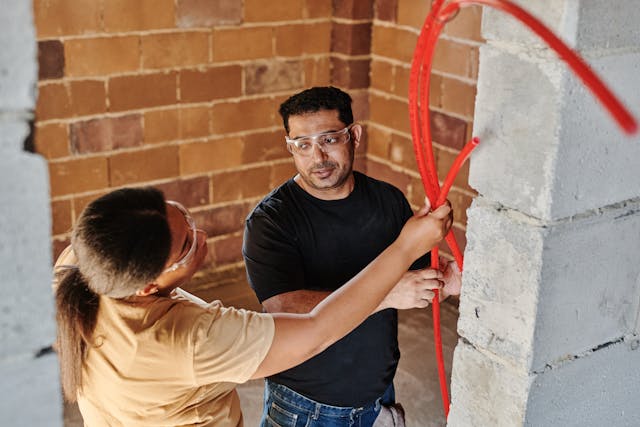
Plumbing remains one of the most recession-resistant construction trades. Every building needs a water supply, drainage, and gas lines. The aging plumber workforce creates consistent openings as experienced workers retire.
Why Demand Is Strong:
The average age of a plumber is 40-41 years, with retirements outpacing the number of new apprentices entering the field. New construction and renovations require permitted plumbing work. Aging infrastructure in existing buildings needs repair and replacement. Water quality concerns drive demand for filtration and treatment systems. Natural gas conversions and gas appliance installations require certified gas line work.
Unlike discretionary construction work, plumbing failures require immediate repair regardless of economic conditions. This provides stability that other trades lack.
Key Certifications:
State-issued Journeyman Plumber licenses require 4-5 years of apprenticeship (8,000-10,000 hours) plus passing exams covering codes, systems design, and installation practices. Requirements vary by state but follow similar structures.
Master Plumber licenses require additional years of experience beyond the journeyman level and demonstrate the ability to design systems, pull permits, and supervise other plumbers. This credential is required to operate a plumbing business in most states.
Gas line certification qualifies plumbers to install and service natural gas and propane systems. This specialty commands premium rates due to safety requirements and liability.
Backflow prevention certification allows testing and repair of devices that protect water supplies from contamination. Annual testing requirements create recurring revenue opportunities.
Medical gas installer certification (for hospitals and medical facilities) is highly specialized, with strict requirements and premium pay.
Training Requirements:
Union apprenticeships (UA - United Association) and non-union programs combine classroom instruction with paid on-the-job training. Apprentices earn while learning, starting at 40-50% of journeyman wages and increasing annually.
Classroom hours total 600-900 over the apprenticeship, covering codes, system design, materials, and safety. Most programs require a high school diploma or GED, basic math skills, and passing a drug test and background check.
Gas line certification requires additional training and testing beyond the requirements for standard plumbing licenses. Backflow certification involves 16-40 hours of training and costs between $300-$800.
What the Work Involves:
Residential plumbers install and repair water supply lines, drain systems, fixtures, water heaters, and gas lines in homes. Commercial plumbers work on larger buildings with more complex systems, including commercial water heaters, grease traps, lift stations, and multi-story drainage systems.
Service plumbers diagnose and repair problems in existing systems—clearing clogs, fixing leaks, and replacing failed components. New construction plumbers rough-in systems during framing and return for fixture installation after finishes are complete.
The work requires reading blueprints, understanding building codes, calculating pipe sizes and slopes, and problem-solving when systems don't drain or supply properly. Expect to crawl under houses, work in tight spaces, lift pipes and fixtures, and occasionally encounter unsanitary conditions during repairs.
Earning Potential:
Apprentices start at $16- $23/hour (averaging $18- $21/hour) and increase annually to 80%+ of journeyman rates by year 5. Journeyman plumbers typically earn $28-$45/hour ($30-$35/hour), or $60,000-$90,000/year. Master plumbers earn $ 40–$65+/hour (or $ 80,000–$130,000+ annually, with higher rates for business owners). Gas line specialists, backflow testers, and commercial plumbers command the upper end; emergency calls charge $75-$150/hour after hours.
4. Building Automation & HVAC Controls
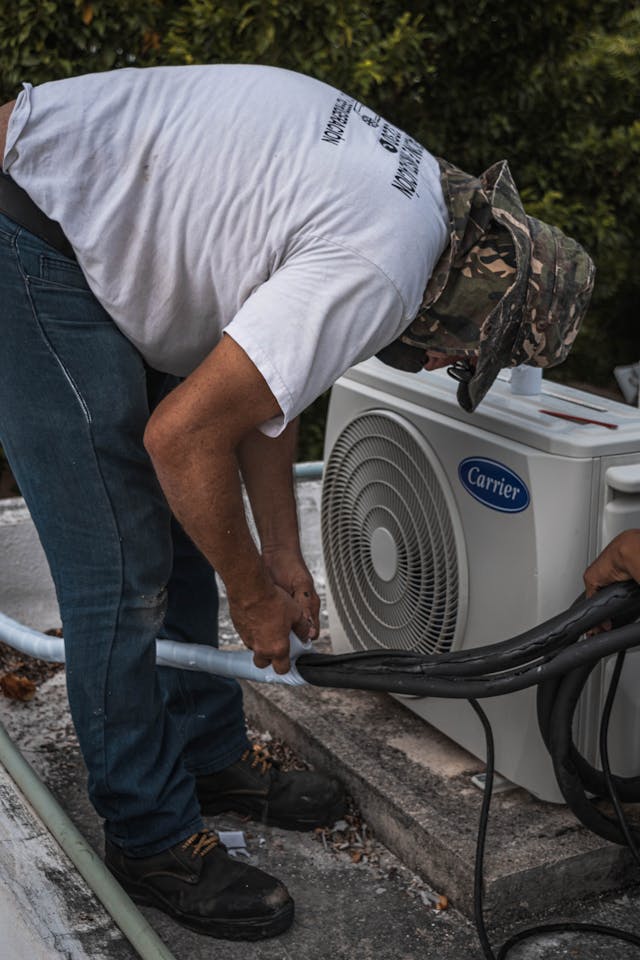
Smart building technology has moved from luxury to standard in commercial construction. Building automation systems control HVAC, lighting, security, and energy management, requiring technicians who understand both mechanical systems and digital controls.
Why It's Growing:
Energy codes increasingly require automated controls for efficiency. Commercial property owners want real-time monitoring and remote management. The integration of IoT devices into buildings creates ongoing service and upgrade needs.
This specialty sits at the intersection of HVAC, electrical, and IT work—limiting the pool of qualified technicians and driving up wages.
Key Certifications:
Building Automation Systems certifications from manufacturers like Honeywell, Johnson Controls, and Siemens demonstrate platform-specific expertise. Many employers prefer or require these credentials.
EPA Section 608 certification (refrigerant handling) is required by law for HVAC work. Basic networking knowledge helps—CompTIA Network+ or similar IT certifications increasingly complement BAS training.
Some technicians pursue formal controls degrees or certifications from technical schools, though experienced HVAC techs often transition into controls with manufacturer training.
Training Requirements:
HVAC experience provides the foundation most employers expect before controls training. Manufacturer-specific training programs run 1-2 weeks for basic certification, with advanced training available for programmers and system designers.
Total investment in controls training ranges from $2,000 to $5,000, with employer sponsorship common for current HVAC technicians. The learning curve extends 6-18 months to become proficient across multiple systems.
What the Work Involves:
Controls technicians program, troubleshoot, and maintain building automation systems. Work includes installing sensors and actuators, programming control sequences, integrating new equipment, and responding to service calls when systems malfunction.
This work is less physically demanding than traditional HVAC service but requires stronger troubleshooting and computer skills. Expect time on ladders and in mechanical rooms, as well as computer work, programming, and remote system diagnosis.
Earning Potential:
Standard HVAC technicians earn $22-$30/hour (averaging $24-$28/hour). Controls technicians earn $30- $45/hour ($60,000- $80,000 annually). BAS programmers and system specialists earn $40-$60/hour or $80,000-$125,000 yearly, especially in commercial hubs.
Demand concentrates in metropolitan areas with substantial commercial real estate. Large office buildings, hospitals, universities, and industrial facilities provide consistent work.
5. Heavy Equipment Operation (Advanced Certifications)
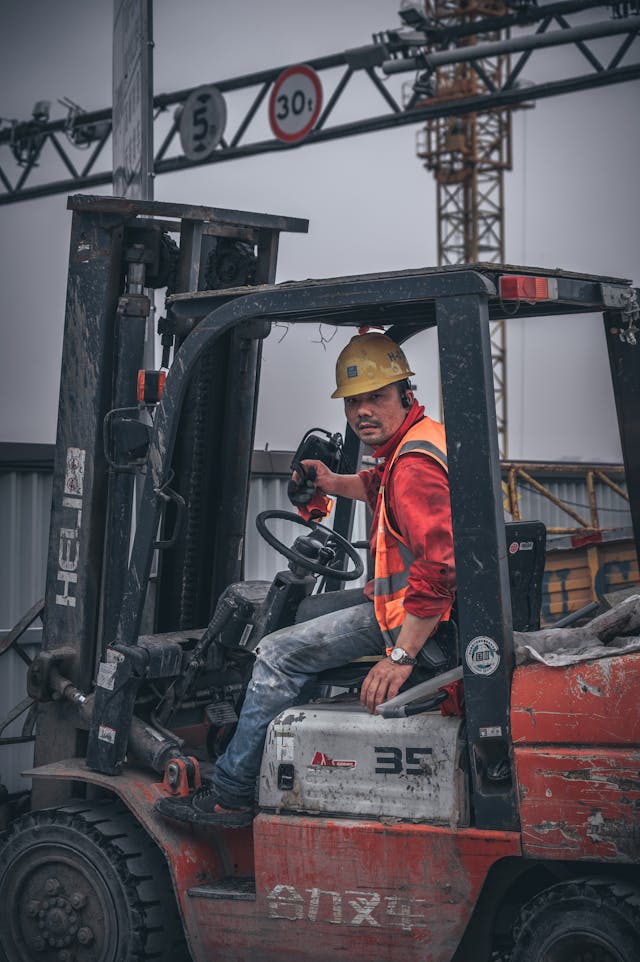
Infrastructure projects require skilled operators for cranes, excavators, and specialized equipment. While basic equipment operation is common, advanced certifications—particularly for cranes—command premium wages due to safety liability and skill requirements.
Why Operators Are in Demand:
The Infrastructure Investment and Jobs Act funds highway, bridge, and utility projects requiring heavy equipment. Limited training programs create operator shortages, particularly for certified crane operators. Modern equipment incorporates GPS and automated controls, requiring operators who understand both traditional operation and new technologies.
Key Certifications:
NCCCO (National Commission for the Certification of Crane Operators) offers certifications for mobile cranes (hydraulic and lattice boom), tower cranes (common in urban high-rise construction), and overhead cranes (used in industrial facilities).
Each certification requires written exams covering load charts, safety, and regulations, as well as practical tests demonstrating operational proficiency. Excavator, dozer, and grader operators benefit from manufacturer-specific training and GPS machine-control certifications.
Training Requirements:
Crane operator certification requires documented operating hours—typically 1,000-2,000 hours, depending on crane type—plus passing written and practical exams. Training programs run 3-6 months and cost $3,000-$8,000.
Practical experience matters more than classroom time. Many operators start as laborers, transition to operating smaller equipment, and then pursue crane certification after gaining experience. Certifications require renewal every five years, including written retests and continuing education.
What the Work Involves:
Crane operators lift and position heavy materials, structural steel, and equipment on construction sites. Tower crane operators work on high-rise projects, often at significant heights. Mobile crane operators move between job sites.
The work requires intense concentration, spatial awareness, and precise control. You're responsible for crew safety and expensive equipment. Pre-operation inspections, load calculations, and safety planning are daily responsibilities.
Earning Potential:
General equipment operators earn $20-$28/hour. Certified mobile crane operators (NCCCO) earn $27- $40/hour, averaging $28- $33/hour. Tower crane operators in major metropolitan areas make $35-$50/hour (up to $60+/hour with experience), often with significant overtime. Annual earnings for experienced crane operators frequently exceed $100,000 in urban high-rise markets; infrastructure projects create nationwide opportunities.
Foundation Certifications That Boost Every Specialty
Before pursuing advanced specializations, two credential types significantly improve your employability and earning potential across all construction trades: NCCER credentials and OSHA safety training.
NCCER (National Center for Construction Education and Research) Credentials:
NCCER provides standardized training and certification recognized nationwide. The NCCER Core curriculum covers construction fundamentals, including safety, hand and power tools, blueprints, materials handling, and basic rigging. This foundation takes 3-6 months to complete and costs $500-$1,500, depending on the training provider.
Trade-specific NCCER credentials exist for carpentry, electrical, plumbing, HVAC, welding, and heavy equipment. These credentials verify your competency through performance-based assessments, not just written tests. Your credentials are stored in a national registry that employers can verify.
Employers increasingly prefer or require NCCER credentials because they standardize training across the industry. Workers with NCCER Core certification typically earn 20-30% more than those without it. The credentials are portable—when you move to a new state or employer, your training documentation moves with you.
Many apprenticeship programs incorporate NCCER curricula, where you earn these credentials while completing your apprenticeship. If your program doesn't include NCCER, you can pursue it independently through community colleges or training centers.
OSHA Safety Training:
OSHA 10-hour and 30-hour construction safety courses are increasingly mandatory on job sites. The 10-hour course covers basic safety topics and takes 1-2 days to complete. The 30-hour course goes deeper into safety management and takes 3-7 days. Costs range from $60 for online 10-hour courses to $300- $ 700 for in-person 30-hour training.
Many large contractors and all federal construction projects require OSHA training. Having your card before applying for jobs gives you an immediate advantage. Some contractors pay 10-20% premiums for workers with current OSHA 30-hour cards due to site safety requirements and insurance considerations.
The training covers fall protection, electrical safety, personal protective equipment, hazard communication, and emergency procedures. Beyond the card, this knowledge helps you recognize and avoid job-site hazards.
OSHA cards must be carried on job sites and are often checked during site orientations. The 10-hour course never expires, though many employers prefer cards issued within the last 5 years. The 30-hour course is treated similarly.
Strategic Timing:
Get your OSHA 10-hour card before job hunting—it's inexpensive and opens doors immediately. Pursue the NCCER Core either before or during your first year in construction. These credentials pay for themselves quickly through better job prospects and higher starting wages.
How to Choose Your Specialty
Consider your current skills and interests first. Electrical work requires mathematical aptitude and knowledge of electrical codes. Welding demands steady hands and precision. Plumbing requires problem-solving skills and the ability to work with varied conditions. Controls work requires computer comfort. Equipment operation needs spatial awareness and sustained concentration.
Assess your physical capabilities honestly. Welding, electrical work, and plumbing involve crawling, working in awkward positions, and exposure to varying weather conditions. Controls work is less physically demanding but requires stronger technical and computer skills. Equipment operation requires extended periods of seated concentration and a high level of safety responsibility.
Research your local market before investing in training. High demand in one region doesn't guarantee opportunities everywhere. Talk to local contractors about which specialties they struggle to fill. Check job boards to see which certifications appear most frequently in listings. Call training providers and ask about their graduates' job placement rates.
Calculate the financial investment against time to ROI. Electrical and plumbing apprenticeships pay while you learn but require 4-5 years to reach journeyman status. Welding certification may cost $10,000, but it can help you earn higher wages within 6-12 months. Building automation training costs $2,000-$5,000 and takes 6-18 months if you already have HVAC experience. Crane operator certification costs $3,000-$8,000 and requires 3-6 months plus documented operating hours.
Consider how certifications build on one another strategically. An HVAC technician with building automation training is more valuable than someone with either credential alone. An electrician with NCCER credentials and industrial controls experience commands higher rates than a standard residential electrician. A structural welder with pipe welding credentials and OSHA 30-hour certification can access higher-paying industrial and pipeline work. A plumber with gas line and backflow certifications can charge premium rates for specialized work.
Stacking complementary credentials doesn't just add to your value—it multiplies it by qualifying you for specialized projects that require multiple competencies.
Use available tools to track your training and credentials. Digital platforms like BuilderFax help you maintain certification records, track renewal dates, and document your training hours. Keeping organized records proves valuable when applying for jobs or pursuing advanced certifications that require documented experience.
Geographic mobility expands opportunities significantly. Pipeline welders can earn $100,000-$150,000, including overtime, by traveling for premium wages. Tower crane operators relocate to cities with high-rise construction booms. Traveling construction workers often negotiate per diem payments covering meals and lodging on top of their hourly rates. Consider whether you're willing to travel regionally or nationally for higher-paying opportunities, or whether staying local is a priority that might mean accepting somewhat lower wages.
What to Do Next
Each specialty offers realistic paths to $ 60,000 to $100,000+ annually for skilled practitioners. The construction industry needs these specialized skills—now it's about positioning yourself to fill that demand.
Here's your action plan:
- Start this week by picking one specialty that aligns with your interests, physical capabilities, and local market demand. Research it deeply—contact training providers in your area, talk to workers currently in that specialty, and check local job boards to verify demand.
- Get your foundational credentials in order. If you don't have an OSHA 10-hour card, get one now—it costs under $100 and opens doors immediately. Look into NCCER Core training if you're new to construction or want to strengthen your fundamentals.
- Before committing to expensive training, verify the local market. Call contractors who hire for your chosen specialty and ask what certifications they value most. Check which credentials appear repeatedly in job listings. Confirm that the specialty you're interested in has demand in your area or in places you're willing to relocate to.
- Create a certification roadmap. Map out which credentials you'll pursue first, how they build on each other, and realistic timelines. Calculate the total investment and expected ROI. Factor in whether you'll be earning while training (apprenticeships) or investing up front (trade schools).
- Keep your licenses and safety cards organized from day one. Set up a system—digital or physical—to track renewal dates, training hours, and credentials.
Take advantage of this information while demand is high. The construction industry's skilled labor shortage isn't going away. The certifications covered here offer portable, verifiable credentials that prove your competency anywhere. Training investments typically pay for themselves within 6-12 months through increased wages, and the skills remain valuable throughout your career.
Specialization differentiates you from general construction workers, provides protection against economic downturns, and gives you leverage in wage negotiations. Make your move now.
Frequently Asked Questions
Keep Your Credentials Organized with BuilderFax
Download BuilderFax to track your certifications, manage renewal dates, and keep all your credentials organized in one place—so you're always ready when opportunities arise.
Download Now.svg)
.svg)