
First Aid and CPR for Construction Workers: Why These Credentials Matter on Job Sites
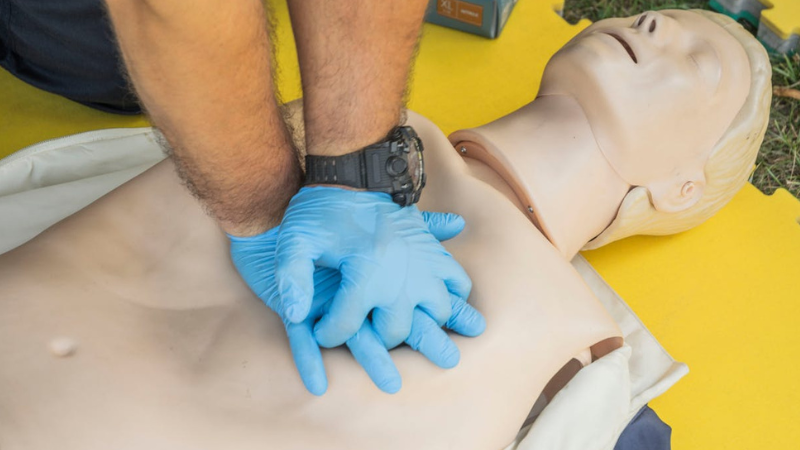
At a Glance
- Construction sites are high-risk environments where injuries can occur quickly, making rapid response essential.
- First Aid and CPR certification is mandatory on many job sites and often required by law.
- CPR training for construction workers addresses cardiac arrest, electrical shock, heat stroke, and trauma response.
- Certifications are typically valid for two years and must be renewed to maintain compliance.
- Training can be completed in person or online, depending on state and employer requirements.
- The BuilderFAX digital wallet allows you to store and manage certifications in one place and provides automated renewal reminders.
Introduction

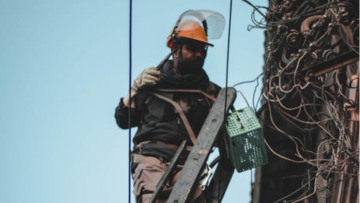
Construction is a high-risk industry. Falls, electrical shocks, equipment injuries, and heat-related illnesses are daily hazards. The time before emergency services arrive is often critical for a coworker’s survival.
First Aid and CPR training is essential and directly affects job site safety. Employers increasingly require certification, and many OSHA regulations mandate or recommend it. For supervisory or safety roles, it is often a baseline requirement.
This article outlines certification requirements, how to obtain certification, and how to keep credentials current.
Why First Aid and CPR Are Essential for Construction Workers
Construction sites see a disproportionate share of workplace fatalities. According to OSHA, the “Fatal Four” — falls, struck-by incidents, electrocution, and caught-in/between hazards — account for the majority of construction deaths each year.
Immediate response is critical in these situations. CPR-trained workers can intervene during cardiac arrest from electrocution or trauma. First Aid training enables workers to control bleeding, stabilize fractures, and assist heat stroke victims until paramedics arrive.
Distance from hospitals increases urgency. In urban areas, EMS response averages 7 to 10 minutes; in rural or remote locations, it can take 20 minutes or more. A trained coworker can provide essential care during this time.
Regulatory requirements also apply here. OSHA’s 29 CFR 1926.50 mandates at least one person trained in First Aid and CPR on any job site not near a medical facility. Many contractors require all workers to hold this certification before entering the site.
Certification Requirements for Construction First Aid and CPR
There is no single federal mandate requiring every construction worker to hold a First Aid or CPR certificate. However, OSHA requires trained personnel on site, and many state regulations and contractor policies are stricter.
OSHA 29 CFR 1926.50 requires that if a medical facility is not nearby, the employer must ensure a trained first aid provider is available. Many contractors interpret this as requiring certification for all workers.
State requirements differ. California, Washington, and several other states have stricter regulations that directly or effectively require First Aid and CPR certification for construction crews.
Contractor and project-specific requirements are increasingly common. Large commercial and infrastructure projects often require workers to present a valid certificate before entering the site.
Accepted certifications generally come from:
- American Red Cross
- American Heart Association (AHA)
- National Safety Council (NSC)
- MEDIC First Aid
Most site supervisors and safety officers accept any accredited certification. If you are unsure, confirm with your general contractor or project safety manager before enrolling.
Benefits of First Aid and CPR Training for Construction Workers and Employers
For workers:
- Ability to respond to emergencies before EMS arrives
- Increased employability, as more projects and contractors require certification
- A pathway to safety-related roles, such as Site Safety Officer or OSHA 30 positions
- Confidence in high-risk situations
For employers:
- Reduced liability in the event of an on-site incident
- OSHA compliance
- Lower risk of project shutdowns following an injury
- Potential reduction in workers’ compensation costs
Holding a current First Aid and CPR certificate demonstrates a commitment to safety, which supervisors and foremen value. For those pursuing site safety or project management roles, this certification is foundational.
How to Choose the Right First Aid and CPR Course
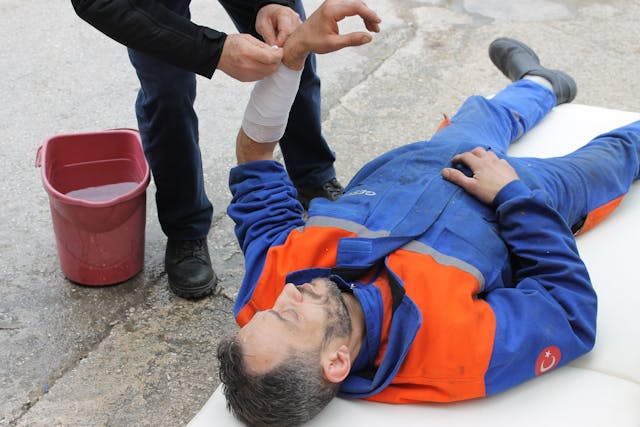
Not all courses are equivalent. Consider the following when selecting a course:
Accreditation: Ensure the course is offered by a nationally recognized provider, such as the Red Cross, AHA, or NSC, or is aligned with one. Some worksites accept only specific providers, so verify before enrolling.
Construction-specific content: General CPR courses address cardiac arrest in controlled settings. Construction-focused courses cover electrical injury response, traumatic bleeding control, heat-related emergencies, and confined space incidents. Choose courses that address hazards present on your job site.
Format: in-person versus online options:
- In-person: Hands-on skill practice with mannequins and instructors. Required by some employers.
- Blended/online: Some providers offer online theory with a brief in-person skills check. Many contractors accept this flexible format, which suits shift workers.
- Fully online: Accepted in some cases, but not universally recognized for construction site compliance. Confirm acceptance with your employer before enrolling.
Duration: Most standard First Aid and CPR courses last 4 to 8 hours. Combined courses covering First Aid, CPR, and AED use are more comprehensive and widely accepted.
Cost: Typically ranges from $40 to $100 per person. Some employers cover this expense, especially for supervisors and safety-designated workers.
Maintaining and Updating Your First Aid and Construction CPR Certification
Renewal Requirements and Frequency
Most First Aid and CPR certifications are valid for two years. After expiration, a renewal course is required to maintain your credential. Some providers offer shorter refresher courses, usually two to three hours, instead of the full initial course.
AED (Automated External Defibrillator) certification, often bundled with CPR, follows the same two-year cycle.
Letting your certification lapse can cause compliance issues and removal from a job site. Stay current by tracking your expiration date and scheduling renewal before it expires.
Automated Reminders and Credential Tracking via BuilderFAX
Tracking renewal dates for multiple certifications, such as CPR, First Aid, OSHA 10, OSHA 30, white cards, and trade licenses, can be challenging, especially when moving between projects and employers.
BuilderFax is a digital wallet for construction workers to store, organize, and manage trade credentials. After you upload your First Aid and CPR certification, BuilderFAX tracks the expiration date and sends automated reminders before it lapses.
Instead of searching emails or files when a supervisor requests your certification, you can access it directly from the app. Your credentials are verified, organized, and accessible from your phone at any time.
For workers managing multiple certifications, this reduces administrative burden and ensures you are not caught off guard by an expired credential on site.
Staying Up-to-Date with Industry Safety Standards
CPR and First Aid guidelines are updated periodically by the American Heart Association and other organizations. The 2020 AHA guidelines, for example, refined compression-to-breath ratios and updated bystander CPR guidance. Renewal courses include these updates, which is one reason for the two-year cycle.
For construction workers, staying current is more than a compliance requirement. It ensures emergency techniques are based on the best available evidence.
Take Action: Become Certified and Stay Job-Ready
If you do not have a current First Aid and CPR certificate, the process to obtain one is straightforward:
- Check whether your employer covers the cost or has a preferred provider.
- Find an accredited course. The Red Cross, AHA, and NSC all provide course finders on their websites.
- Complete the training and receive your certificate.
- Upload your certificate to BuilderFAX to track expiration and receive renewal reminders.
If your certification has lapsed, enroll in a renewal course instead of the full initial course. Renewal courses are shorter and less expensive.
CPR construction training is a high-impact credential for job sites. It takes less than a day to complete, remains valid for two years, and can directly save lives.
Useful Resources
Frequently Asked Questions
How do construction workers get CPR and First Aid certified?

.svg)
How long is a First Aid and CPR certification valid for construction workers?
Can First Aid and CPR training be done online for construction workers?
Why is CPR training important, specifically for construction workers?
How does BuilderFAX help manage First Aid and CPR credentials?
Never Let Your CPR Certification Lapse
Download the BuilderFax app to store your First Aid, CPR, and other site credentials in one place — with automatic renewal reminders so you're always job-ready.
Download BuilderFax.svg)
.svg)