
The Hidden Cost of Expired Certifications on Construction Projects
.png)
Construction projects operate on razor-thin margins where every decision impacts profitability, safety, and compliance. While project managers meticulously track material costs, labor expenses, and equipment rentals, one critical aspect often goes unnoticed until it's too late: certification tracking. The hidden costs of expired certifications can devastate construction projects, creating financial losses, legal liabilities, and reputational damage that extends far beyond the immediate project scope.
In an industry where safety regulations are paramount and compliance requirements are increasingly stringent, maintaining current certifications isn't just a best practice—it's a business imperative. From OSHA safety certifications to specialized equipment operator licenses, expired credentials can halt projects, trigger costly work stoppages, and expose companies to significant legal and financial risks.
This comprehensive examination reveals the true cost of poor certification tracking and demonstrates why implementing robust employee certification tracking software has become essential for modern construction operations.
Why Expired Certifications Threaten Construction Projects
Certifications in construction serve as more than bureaucratic requirements—they represent verified competencies that directly impact project safety, quality, and legal compliance. Every crane operator license, welding certification, and safety training credential ensures that workers possess the knowledge and skills necessary to perform their duties safely and effectively.
When certifications expire, the immediate threat extends beyond individual worker competency. Construction sites become legally non-compliant environments where insurance coverage may be voided, regulatory violations accumulate, and project liability exposure increases exponentially. A single expired certification can trigger a chain reaction that affects entire project teams, as interconnected tasks often require certified personnel at multiple stages.
The complexity of modern construction projects compounds these risks. Large-scale developments typically require dozens of different certifications across various trades and specializations. Project managers must simultaneously track HVAC technician certifications, electrical licenses, heavy equipment operator permits, safety coordinator credentials, and numerous other time-sensitive qualifications. Without systematic certification tracking, managing these overlapping expiration dates becomes an administrative nightmare that inevitably leads to oversights.
Moreover, the consequences of expired certifications aren't limited to immediate work stoppages. Regulatory agencies conduct random inspections and audits, and discovering expired certifications during these reviews can result in significant penalties, project delays, and mandatory remediation requirements that substantially impact project timelines and budgets.
The Financial Impact of Expired Certifications and Poor Certification Tracking
Direct Costs
The hidden indirect costs of expired certifications often exceed direct expenses and create long-term financial impacts that affect multiple projects and business relationships. Schedule delays represent the most significant indirect cost, as compressed timelines often require expensive acceleration measures, including overtime labor, expedited material deliveries, and premium equipment rentals.
Insurance complications create another substantial indirect cost category. Many construction insurance policies include specific requirements for maintaining current certifications, and lapses can result in voided coverage or significant premium increases. Some insurers impose retroactive premium adjustments when certification lapses are discovered, creating unexpected financial obligations that can affect project profitability months after completion.
Client relationship costs emerge when certification issues impact project delivery commitments. Penalty clauses in construction contracts frequently include provisions for delays caused by contractor non-compliance, and these penalties can range from daily assessments to percentage-based deductions from contract values. More critically, certification-related delays can damage client relationships and affect future business opportunities.
Administrative costs multiply when poor certification tracking requires manual intervention and crisis management. Staff time spent managing expired certifications, coordinating emergency renewals, and addressing compliance issues represents an opportunity cost that diverts resources from productive project activities.
Legal and Compliance Risks
The legal landscape surrounding construction certifications creates numerous compliance risks that can expose companies to serious legal consequences. Federal regulations, as established by OSHA, outline minimum safety certification requirements that apply to all construction projects. Violations can result in both civil and criminal penalties, depending on the severity and circumstances.
State and local regulations add additional layers of compliance requirements that vary significantly by jurisdiction. Many states require specific certifications for electrical work, plumbing, HVAC installation, and other specialized trades. Operating without proper certifications can result in work being condemned, requiring complete removal and reinstallation at contractor expense.
Liability exposure increases dramatically when accidents occur involving personnel with expired certifications. Insurance companies routinely investigate certification status following workplace incidents, and expired credentials can provide grounds for coverage denial. This exposure extends beyond immediate accident costs to include potential punitive damages if certification lapses are deemed willful negligence.
Contract violations represent another significant legal risk area. Most construction contracts include specific provisions requiring current certifications for all personnel performing work on projects. Breach of these provisions can result in contract termination, forfeiture of progress payments, and liability for additional costs incurred by project owners to secure compliant contractors.
Professional licensing boards also impose disciplinary actions for certification violations, including license suspension or revocation, that can effectively end construction careers and business operations. These professional consequences often carry personal liability that extends beyond corporate protections.
Regulatory agencies are increasingly coordinating enforcement actions, meaning that violations in one jurisdiction can trigger investigations in others. This coordinated approach amplifies the potential consequences of certification violations and creates a cascading series of legal risks across multiple projects and locations.
Reputational Damage Without a Certification Tracking System
In Canada's competitive construction industry, reputation serves as a critical differentiator that directly impacts business development, client retention, and long-term profitability. Safety violations resulting from expired certifications can create lasting reputational damage that extends far beyond the impacts of individual projects.
Industry databases maintained by regulatory agencies, insurance companies, and industry associations track safety violations and compliance issues. These records become permanently associated with contractor profiles and influence future bidding opportunities, insurance rates, and client selection processes. A single significant violation can have a lasting impact on a business's prospects for years.
Client confidence erodes rapidly when certification issues compromise project safety or compliance. Word-of-mouth reputation in the construction industry spreads quickly, and safety-related incidents involving expired certifications often become widely known throughout regional construction communities. This reputation damage can be particularly devastating for companies that specialize in specific market segments or geographic areas.
Media attention surrounding construction safety incidents has intensified in recent years, with social media amplifying the reach and impact of negative publicity. High-profile projects that experience safety violations due to expired certifications often receive extensive media coverage, which can permanently damage company reputations and negatively impact future business prospects.
Bonding capacity and insurance availability become increasingly challenging to maintain when companies develop reputations for poor certification management. Surety companies and insurance carriers closely monitor safety records and compliance histories. Companies with certification-related violations often face increased premiums, reduced bonding capacity, or coverage denial.
Industry partnerships and professional relationships also suffer when certification issues demonstrate poor management practices. General contractors increasingly scrutinize subcontractor safety records and compliance histories, and companies with certification-related violations often find themselves excluded from preferred contractor lists and partnership opportunities.
How BuilderFax's Employee Certification Tracking Software Solves These Issues

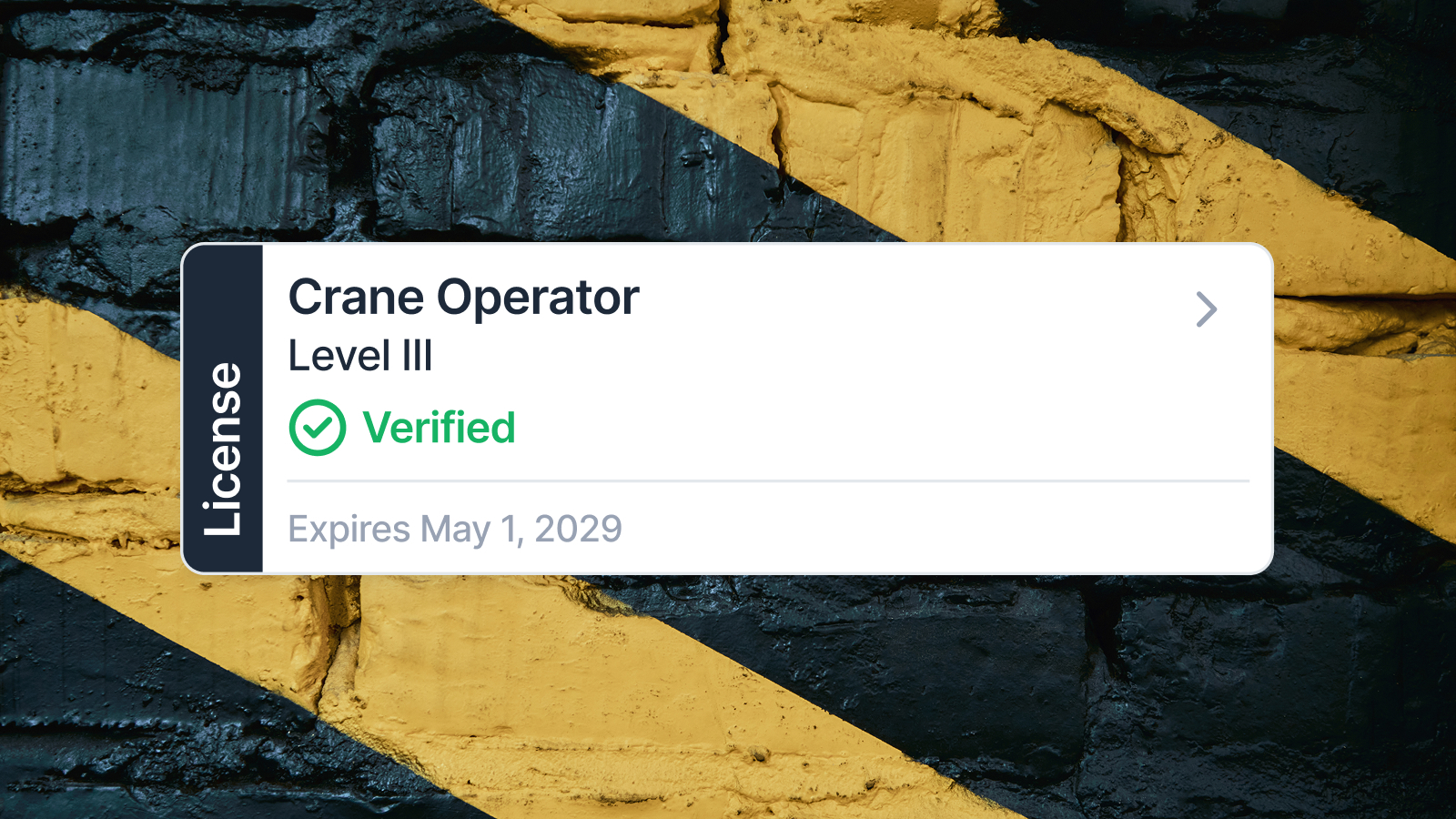
BuilderFax's employee certification tracking software addresses the complex challenges of certification management through comprehensive automation and centralized record-keeping, eliminating the manual processes that lead to expired certifications. The system's automated expiry monitoring continuously tracks certification expiration dates across all employee records, ensuring that approaching deadlines are never overlooked.
The software's intelligent reminder system sends automated notifications at customizable intervals before certification expiration dates, providing multiple opportunities for proactive renewal management.
Centralized record management through BuilderFax's certification tracking system eliminates the scattered documentation that often leads to lost or overlooked certifications. All certification records, renewal documentation, and compliance histories are maintained in a single, secure database that provides instant access for audits, project planning, and verification of regulatory compliance.
Real-time reporting capabilities enable project managers to verify certification status instantly when planning projects and assigning personnel. The system generates comprehensive reports showing current certification status across all employees, highlighting approaching expirations and identifying potential compliance gaps before they impact project operations.
Integration capabilities allow BuilderFax's employee certification tracking software to connect with existing HR systems, project management platforms, and scheduling software, creating seamless workflows that incorporate certification requirements into standard project planning processes. This integration ensures that certification status becomes an automatic consideration in personnel assignments and project scheduling.
The software's audit trail functionality maintains complete records of all certification activities, including renewal dates, training completions, and system notifications. These detailed records provide essential documentation for regulatory compliance, insurance requirements, and internal quality management systems.
Mobile accessibility ensures that certification information remains readily available in the field, enabling project supervisors to verify credentials on-site and make informed personnel decisions based on current certification status. This mobile capability is particularly valuable for large projects with multiple crews working across different locations.
Choose the Best Certification Tracking Software for Safer Projects
The hidden costs of expired certifications extend far beyond immediate project impacts, creating financial, legal, and reputational consequences that can affect construction companies for years. Direct costs including work stoppages, emergency renewals, and regulatory fines represent only the visible portion of certification-related expenses, while indirect costs including schedule delays, insurance complications, and damaged client relationships often prove even more significant.
Legal and compliance risks associated with expired certifications continue to evolve as regulatory enforcement intensifies and liability standards increase. The reputational damage resulting from certification-related safety violations can permanently impact business prospects and competitive positioning in increasingly safety-conscious construction markets.
Implementing robust employee certification tracking software has transitioned from administrative convenience to business necessity. The best certification tracking software systems provide automated monitoring, proactive renewal management, and comprehensive record-keeping that eliminates the manual processes responsible for most certification lapses.
BuilderFax's certification tracking system demonstrates how modern technology can transform certification management from reactive crisis response to proactive compliance assurance. By automating expiry monitoring, centralizing records, and integrating with existing business systems, comprehensive certification tracking software protects construction companies from the hidden costs that can devastate project profitability and long-term business success.
The value of BuilderFax's solution extends beyond standalone certification tracking through its seamless integration with Lumber, a comprehensive construction workforce management platform featuring advanced hiring and onboarding modules. This integration addresses one of the construction industry's most pressing challenges: the ongoing labor shortage that forces companies to continuously recruit, hire, and onboard new personnel. By connecting certification tracking directly with hiring and onboarding workflows, BuilderFax and Lumber create a unified ecosystem that ensures new hires maintain proper certifications from day one while streamlining the complex process of workforce management in an industry struggling to find qualified personnel.
The investment in professional certification tracking software represents a small fraction of the potential costs associated with expired certifications, making it one of the most cost-effective risk management strategies available to modern construction companies. As regulatory requirements continue to evolve, safety standards become increasingly stringent, and labor shortages intensify industry challenges, the companies that invest in comprehensive, integrated certification tracking solutions will gain competitive advantages that extend far beyond simple compliance management.
Frequently Asked Questions
What are the legal consequences of expired certifications in the US?

.svg)
What is certification tracking software?
What types of construction certifications require tracking in the US?
Why is certification tracking important in construction?
Get Started with BuilderFax Today
Download BuilderFax for free today and take control of your construction certifications to ensure compliance, safety, and project success.
Download for Free.svg)
.svg)