
Construction Careers Atlanta: Top Opportunities for Skilled Trades in 2026
.png)
At a glance
- Atlanta’s construction demand is strong.
- Skilled trades offer real career paths and good pay.
- There are multiple ways to get trained and started.
- Licenses and certifications matter as careers grow.
Introduction to Construction Careers Atlanta and Skilled Trades
.jpg)
Skilled trades form the backbone of Atlanta’s construction industry. These careers encompass specialized occupations that require technical training and hands-on expertise rather than traditional four-year degrees. Electricians, plumbers, HVAC technicians, carpenters, and welders fall into this category, each bringing essential skills to every construction project across the metro area.
Atlanta’s construction sector continues to expand rapidly. Major infrastructure projects, residential developments, and commercial expansions create consistent demand for skilled workers. The city’s population growth drives this boom, with new neighborhoods, office complexes, and public facilities breaking ground regularly. This sustained activity makes construction careers increasingly viable and lucrative for Atlanta professionals.
The sector faces a significant shortage of skilled labor. Many experienced tradespeople are reaching retirement age, while fewer young workers enter the field. This gap creates exceptional opportunities for those willing to learn a trade, with employers offering competitive wages and benefits to attract talent.
High-Demand Skilled Trades Jobs in Construction
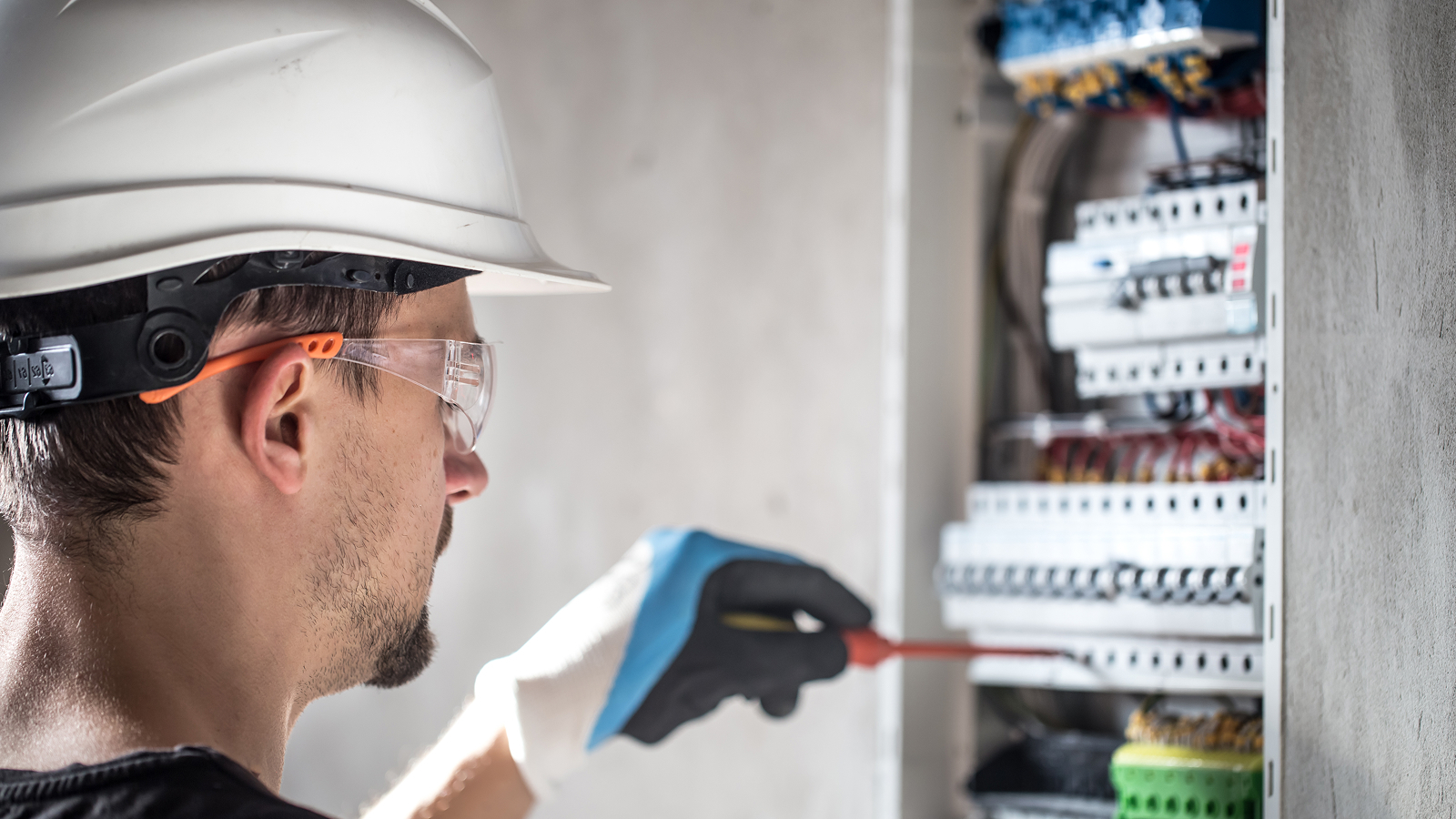
Electricians remain among the most sought-after professionals in Atlanta’s construction market. They install, maintain, and repair electrical systems in residential, commercial, and industrial settings. Atlanta electricians earn median annual wages between $59,000 and $82,000, with experienced professionals and those specializing in commercial or industrial work commanding higher rates. The Bureau of Labor Statistics projects steady growth in this field through 2030, driven by renewable energy installations and the adoption of smart building technology.
Plumbers address critical infrastructure needs across new construction and renovation projects. They install and repair water supply lines, waste disposal systems, and related fixtures. Atlanta plumbers typically earn between $63,000 and $64,000 per year, with those holding master licenses and running their own businesses earning substantially more. The aging infrastructure in older Atlanta neighborhoods, combined with new development, creates consistent work opportunities.
HVAC technicians are essential in Atlanta’s climate, where reliable heating and cooling systems are non-negotiable. These professionals install, maintain, and repair climate control systems. With Georgia’s hot summers and variable winters, HVAC work provides year-round employment. Technicians in the Atlanta area earn median salaries ranging from $46,000, and specialized certifications in emerging technologies such as geothermal systems and smart thermostats can increase earning potential.
Carpenters build and install structural frameworks, from residential framing to custom cabinetry. Atlanta’s diverse construction landscape offers carpenters work in single-family homes, multi-unit developments, and commercial projects. Earnings typically range from $50,000 to $65,000 annually, with finish carpenters and those specializing in custom work often earning more. The residential construction boom in suburbs like Alpharetta, Marietta, and Decatur keeps carpentry demand high.
Welders join metal components using specialized equipment and techniques. While often associated with manufacturing, welders play crucial roles in construction, particularly in commercial and industrial projects. Atlanta welders earn around $49,000, with certified welders skilled in specialized techniques like TIG or underwater welding commanding premium rates. Infrastructure projects and industrial facility construction maintain steady demand.
Career Training Services for Skilled Trades in Atlanta
Multiple pathways exist for acquiring skilled trades training in Atlanta. Technical colleges like Atlanta Technical College and others offer certificate and diploma programs in electrical technology, HVAC, plumbing, carpentry, and welding. These programs typically take six months to two years to complete and combine classroom instruction with hands-on practice.
Apprenticeship programs provide another proven route into construction careers for Atlanta workers. These programs, often sponsored by trade unions or contractor associations, allow participants to earn while they learn. Apprentices work full-time under experienced professionals while completing related classroom instruction. The apprenticeship model typically spans three to five years, culminating in journeyman status.
Organizations such as the Georgia Department of Labor's apprenticeship programs and the Associated Builders and Contractors Georgia Chapter connect aspiring tradespeople with training opportunities. The Georgia Piedmont Technical College also partners with local employers to provide customized training that addresses specific industry needs.
Career training services bridge the gap between education and employment. Workforce development centers throughout metro Atlanta offer career counseling, help with certification exam preparation, and connections to employers actively hiring. These services prove particularly valuable for career changers and those entering construction from other industries.
Most trades require specific licenses or certifications. Electricians must obtain a state license from the Georgia State Board of Electrical Contractors. Plumbers need a license from local jurisdictions. HVAC technicians pursue EPA Section 608 certification to handle refrigerants. Training programs prepare students for these credential requirements, which are essential for legal practice and career advancement.
Interested in pursuing HVAC trade as a career? | Know more
Exploring Skilled Trades Careers
Skilled trades extend well beyond building construction sites. Atlanta’s manufacturing sector employs welders, machinists, and industrial electricians in facilities producing everything from aircraft components to food products. Companies like Delta TechOps and Porsche’s North American headquarters create demand for highly skilled technical professionals.
Maintenance and facilities management represent another substantial employment sector. Large commercial properties, hospital systems, university campuses, and industrial parks maintain in-house teams of electricians, HVAC technicians, and plumbers. These positions often provide regular schedules, benefits, and less exposure to weather compared to traditional construction roles.
Utility companies serving metro Atlanta need line workers, substation technicians, and gas service professionals. Georgia Power, Atlanta Gas Light, and municipal utilities offer stable careers with strong benefits. These positions typically require specific training but provide excellent long-term prospects.
The transportation sector also employs skilled trades professionals. Hartsfield-Jackson Atlanta International Airport, MARTA, and freight operations need mechanics, welders, and technicians to maintain vehicles and infrastructure. These roles combine mechanical aptitude with specialized knowledge of transportation systems.
This diversity in career options allows skilled trades professionals to choose paths that match their preferences. Someone might start in residential construction, transition to commercial work, then move into facilities maintenance for a corporate campus. The fundamental skills transfer across industries, providing flexibility throughout a career.
Supporting Construction Careers in Atlanta: How BuilderFax Keeps You Ready
Managing professional credentials becomes increasingly complex as construction careers advance. Skilled trades professionals must track multiple licenses, certifications, training records, and insurance documents. Letting any credential lapse can mean lost work opportunities or even legal issues.
BuilderFax provides an all-in-one solution for credential management. The app allows construction professionals to store digital copies of all their licenses, certifications, and training documents in one secure location. Instead of maintaining physical files or scattered digital records, everything lives in a single, accessible platform.
The renewal reminder system helps professionals stay ahead of expiration dates. BuilderFax tracks when licenses and certifications need renewal and sends timely notifications. This feature prevents the common problem of discovering an expired credential when bidding on a project or showing up for work.
Digital badges make credential verification simple. When meeting with clients, applying for permits, or starting new projects, professionals can quickly share verified credentials directly from the app. This streamlines administrative processes and demonstrates professionalism.
For independent contractors and small business owners, BuilderFax helps maintain the organized documentation that larger companies achieve through dedicated administrative staff. This organizational advantage helps smaller operators compete for projects that require extensive credential verification.
Construction careers Atlanta offers in the skilled trades provide solid earning potential, job security, and diverse opportunities. Electricians, plumbers, HVAC technicians, carpenters, and welders all find strong demand across residential, commercial, and industrial sectors. The ongoing labor shortage means employers actively seek qualified professionals and offer competitive compensation.
Multiple training pathways make these careers accessible. Technical colleges, apprenticeship programs, and workforce development services help newcomers acquire necessary skills and credentials. The investment in training typically pays returns quickly through higher wages and expanded opportunities.
Career advancement in skilled trades comes through experience, additional certifications, and specialization. Many professionals eventually start their own businesses or move into supervisory and project management roles. The skills learned in one area often transfer to others, providing flexibility throughout a career.
Success in these fields requires more than technical skills. Maintaining proper credentials, staying organized, and managing the administrative aspects of the work matter significantly. Tools like BuilderFax help professionals handle these business requirements efficiently, allowing them to focus on their craft.
Download BuilderFax today to organize your licenses, certifications, and credentials in one convenient app. Set up renewal reminders, access digital badges, and keep your professional documentation ready whenever you need it. Take control of your credential management and stay competitive in Atlanta’s construction market.
Useful Resources
- Atlanta Technical College - https://www.atlantatech.edu - Technical training programs in construction trades
- Associated Builders and Contractors Georgia Chapter - Training programs and industry connections
- Georgia State Board of Electrical Contractors - Licensing information for electricians
- Bureau of Labor Statistics Occupational Outlook - National employment data and projections for construction trades
- Georgia Piedmont Technical College - Career training and workforce development
Frequently Asked Questions
What are the most in-demand skilled trades in Atlanta for 2026?

.svg)
How can I start a construction career in Atlanta without prior experience?
What training programs are available for skilled trades in Atlanta?
Why are skilled trades important to Atlanta's construction industry?
Stay Credential-Ready
Download BuilderFax today to manage licenses, set renewal reminders, and share digital badges—keeping you competitive in Atlanta's construction boom.
Download now.svg)
.svg)